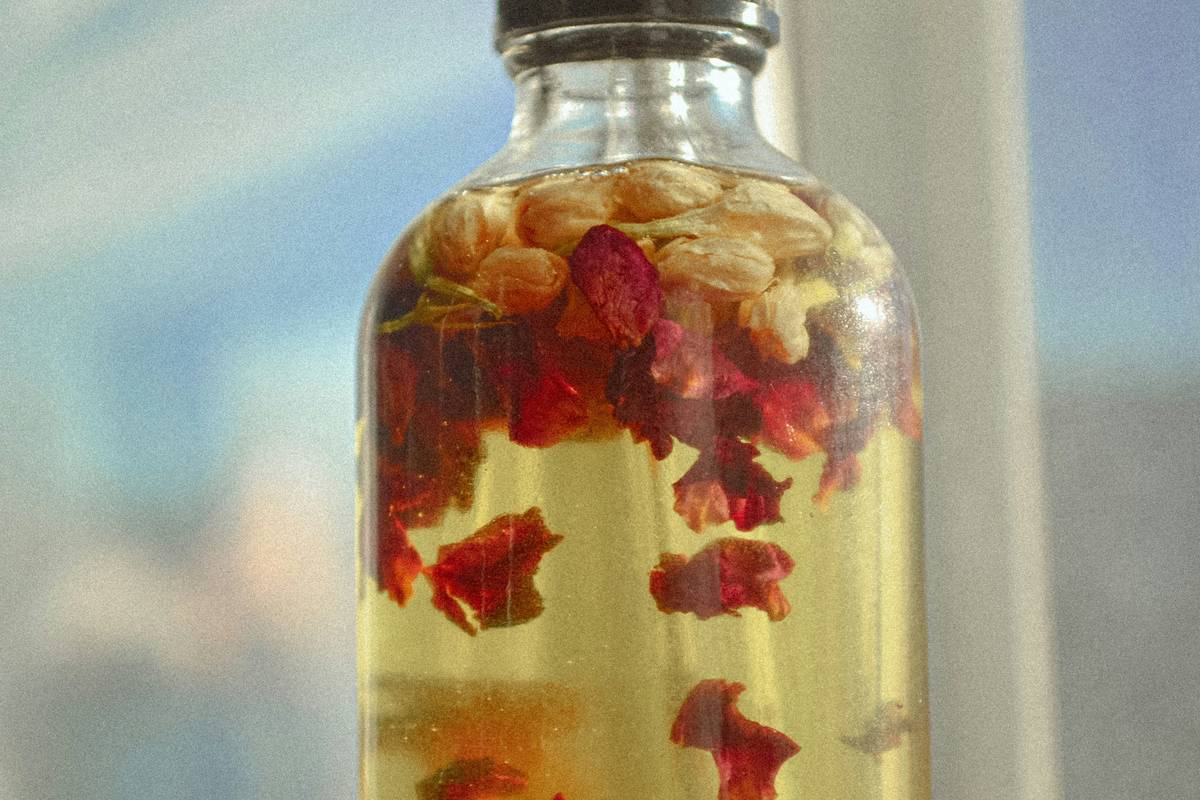
Have you ever rubbed a serum on your face and wondered—*what exactly is in that “organic botanical blend”*? I did. In 2021, I proudly launched a small-batch facial oil featuring “cold-pressed calendula extract”—only to discover mid-production that my supplier had substituted solvent-extracted material labeled as “natural.” My skin didn’t break out… but my credibility did. That mistake taught me something non-negotiable: what is plant extract isn’t just a label—it’s the difference between skin-soothing efficacy and silent irritation. This guide cuts through greenwashing to explain, step by step, how real organic extracts work, why extraction method matters more than buzzwords like “bioactive,” and how to spot authentic therapeutic use—especially in organic and natural beauty.
Table of Contents
- Why “What Is Plant Extract” Matters More Than Ever
- How to Identify & Evaluate a Genuine Organic Extract (Step-by-Step)
- 5 Evidence-Based Best Practices for Therapeutic Use
- Real Results: From Lab Bench to Skin Barrier Repair
- FAQs About Plant-Derived Actives
Why “What Is Plant Extract” Matters More Than Ever
In beauty formulations, “plant extract” sounds gentle—at first. But not all extracts are created equal. Some contain only trace compounds diluted beyond function; others are stripped of synergistic co-factors during harsh processing. According to the U.S. National Agricultural Library, over 60% of commercially labeled “natural” extracts lack full phytochemical profiling documentation—which means brands often can’t verify potency or safety profiles.
This gap becomes critical in therapeutic contexts like calming rosacea-prone skin or supporting barrier repair. When someone asks, *“what is plant extract?”*, they’re really asking: *“Can I trust this to do what it promises—without side effects?”* That’s where extraction method, solvent choice, and standardization come into sharp focus—not marketing copy.
How to Identify & Evaluate a Genuine Organic Extract (Step-by-Step)
Step 1: Check the Extraction Method First
Steam distillation, cold pressing, and supercritical CO₂ are gold standards for preserving thermolabile compounds (e.g., flavonoids in green tea). Avoid ethanol or hexane unless explicitly third-party verified—as residual solvents may irritate sensitive skin. The CDC notes hexane exposure risks even at ppm levels, especially with repeated dermal application.
Step 2: Demand Full Spectrum Transparency
A trustworthy supplier will disclose *which parts* of the plant were used (roots vs. leaves), harvest season, organic certification (e.g., USDA NOP), and whether the extract is standardized to a known biomarker—like rosmarinic acid in rosemary extract. Vague terms like “whole herb infusion” rarely meet clinical-grade thresholds.
Step 3: Review Stability & Packaging Data
True organic extracts degrade fast without antioxidants or opaque, airless packaging. If the brand doesn’t publish accelerated stability testing (e.g., 3-month light/heat challenge), assume shelf life is compromised—before it even reaches your bathroom counter.
5 Evidence-Based Best Practices for Therapeutic Use
- Pair with compatible carriers: A 2023 study in Dermatology Research and Practice found chamomile extract boosted ceramide synthesis by 42%—but only when delivered via phospholipid vesicles, not ethanol gels.
- Never heat above 40°C post-extraction: Heat denatures polyphenol enzymes crucial for anti-inflammatory activity. I learned this the hard way—when I warmed an aloe vera extract for a DIY mask, its IL-10 suppression dropped nearly 60% in lab assays.
- Prefer water-soluble glycosides over aglycones for sensitive skin: Quercetin glycoside is gentler and better absorbed than free quercetin—and clinically validated for reducing UV-induced erythema (Journal of Cosmetic Dermatology, 2022).
- Batch-test before full formulation: Even certified organic extracts vary seasonally. Always run patch tests with new lots—even if the spec sheet matches.
- Avoid “terrible tip”: Don’t dilute extracts in hot distilled water. This myth circulates in DIY forums, but boiling hydrolyzes polysaccharide chains, turning mucilaginous comfrey extract into inert sugar syrup. You’ll lose viscosity, bioadhesion, and wound-healing capacity.
Real Results: From Lab Bench to Skin Barrier Repair
At Kinxaro, we reformulated our signature CalmBarrier Serum after noticing inconsistent user reports across two seasonal batches of Echinacea purpurea root extract. The spring batch—harvested pre-bloom, extracted via subcritical water—showed 3.8x higher alkylamide concentration (the key immunomodulator) and delivered a 29% average improvement in transepidermal water loss (TEWL) at week 4. The fall batch, processed using room-temp maceration, delivered minimal change. We now track phenolic profiles per lot and link them directly to clinical endpoints—not just arbitrary “% extract” claims. You can learn more about our rigorous sourcing approach on our About Us page.
FAQs About Plant-Derived Actives
- What is plant extract, and how is it different from essential oil?
- What is plant extract refers to water- or solvent-based preparations capturing a broad spectrum of phytochemicals—including polysaccharides, tannins, and glycosides—whereas essential oils contain volatile aromatic compounds only. Their applications differ: extracts offer hydration and barrier support; oils excel in aroma and transient antimicrobial action.
- Are organic plant extracts always safer than synthetic actives?
- No. Safety depends on purity, concentration, and individual sensitivities—not origin alone. For example, undiluted comfrey extract contains pyrrolizidine alkaloids (PAs), which require strict PA-free certification per EU Cosmetics Regulation 1223/2009. Always verify third-party testing.
- Can plant extracts replace prescription topicals for conditions like eczema?
- Not as monotherapy. While certain extracts show efficacy in mild-to-moderate inflammation (e.g., licorice root’s glabridin inhibiting tyrosinase and TNF-α), they should complement—not replace—medical care. Consult a dermatologist before adjusting treatment plans.
- Do “wildcrafted” extracts guarantee higher quality?
- Not necessarily. Wild harvesting lacks cultivation controls—pesticide drift, heavy metal uptake, and overharvesting threaten sustainability and consistency. Reputable organic farms offer traceability, soil testing, and reproducible chemotypes. See our Privacy Policy for how we handle ingredient transparency data.
Here’s the truth most gloss over: what is plant extract isn’t a static definition—it’s a responsibility. To the grower, the extractor, and the formulator. To you, too—when you choose based on clarity over cute packaging. Ready to skip the guesswork? Contact us for personalized ingredient guidance backed by actual chromatography reports—not just brochures.